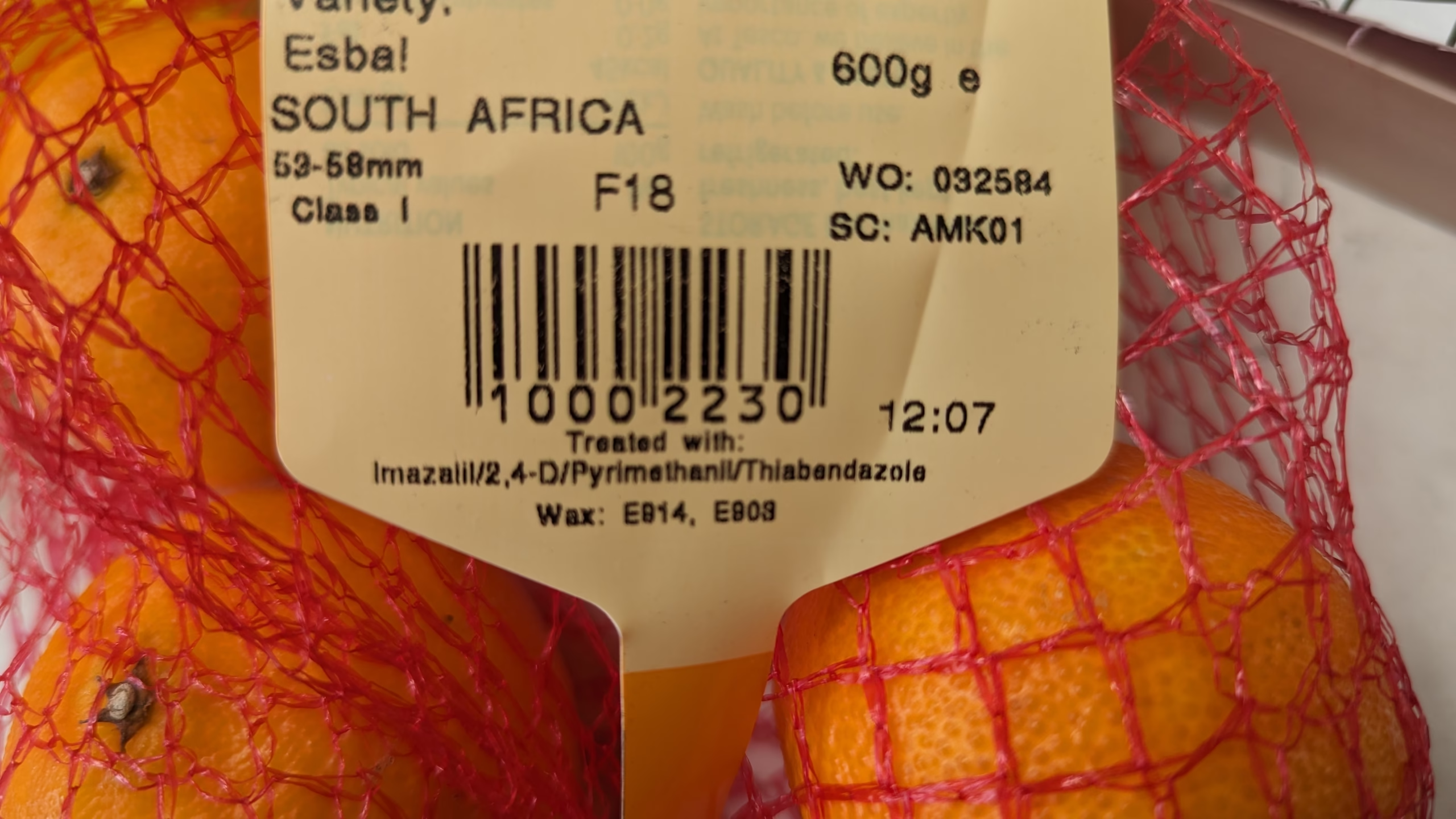
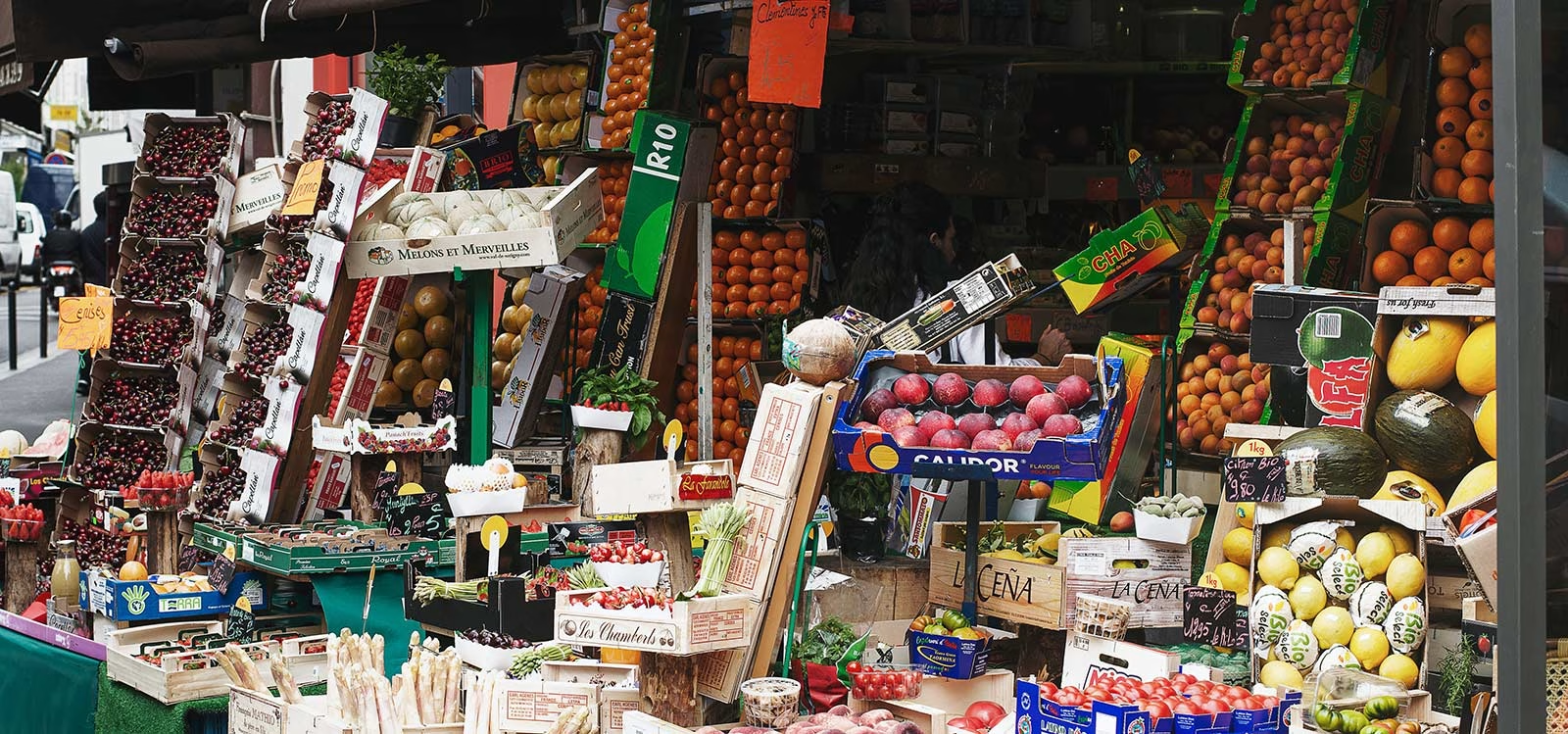
When UK fresh foods are in season along with their corresponding residual pesticide levels

A list of pesticides used in food production along with their associated risks

Below is a practical, evidence‑based list of pesticides used in food production. For each one you’ll also see the typical food or crop uses and the associated health risks they’ve been linked to in scientific or regulatory literature. See also the post ‘When UK fresh foods are in season along with their residual pesticide levels’ … Continue Reading

Interactive table - 640 natural foods, when they're in season, and their residual pesticide risk

Interactive table – 640 natural foods, when they’re in season, and their residual pesticide risk

Interactive table – 640 natural foods, when they’re in season, and their residual pesticide risk – a guide to picking seasonal foods whilst reducing the levels of pesticides you consume See also the post ‘A list of pesticides used in food production along with their associated risks‘ I created this for a project I’m working … Continue Reading

Eating healthily step 1 – learn the Nova Food Classification System

The NOVA Food Classification system was designed by Centre for Epidemiological Studies in Health and Nutrition, School of Public Health, University of Sao Paulo, Brazil. If you’ve read Ultra Processed People by Prof. Chris van Tulleken, you’ll recognise the name as it’s the system he talks about at length in his book. It is designed … Continue Reading

E472e Datem - another emulsifier to avoid

DATEM aka E472e – common emulsifier linked to heart fibrosis and adrenal overgrowth

An emulsifier in bread is an optional ingredient which helps combine oils and waters that wouldn’t normally mix well together. We’re told they’re added mainly to improve the bread texture, but I suspect the reality is that it’s rather just a very cheap and easy way of vastly extending the shelf life of bread. If … Continue Reading

Hovis bread ingredients containing the emulsifier E471

E471, E407, E407a – common food additives that could increase your risk of cancer by up-to 46%

In a worrying 2024 study of 92,000 French adults using data collected between 2009 and 2021 from people from the NutriNet-Sante cohort, some very common food emulsifiers have been linked with huge increases in the chance of developing some types of cancer. Emulsifiers are very widely used additives in the food industry, most commonly found … Continue Reading

Is your cat trying to kill you?

Warning – if you’re at all squeamish, or have a pet cat, it might be better to stop reading now! Studies have estimated that in Europe, somewhere between 43% and 67% of cats are infected with Toxoplasma Gondii. Toxoplasmosis is a disease caused by a parasitic protozoan known as Toxoplasma gondii (big ‘T’ little ‘g’). A parasitic protozoan is … Continue Reading